
Real-world examples of how businesses use Xenon ERP to improve financial control, operational efficiency, and decision-making.
Spintex
Grant Thornton relied on manual and fragmented processes for leave and holiday management. Leave balances were tracked on spreadsheets, holidays were not standardized, and approvals depended on emails and verbal coordination. This resulted in overlapping leaves, inaccurate balances, approval delays, limited visibility for managers, and increased administrative burden on HR.
Spintex
Grant Thornton relied on manual and fragmented processes for leave and holiday management. Leave balances were tracked on spreadsheets, holidays were not standardized, and approvals depended on emails and verbal coordination. This resulted in overlapping leaves, inaccurate balances, approval delays, limited visibility for managers, and increased administrative burden on HR.
Faster Operational Reporting
Improved Cross-Department Visibility
Xenon ERP was implemented as a centralized platform to unify Spintex’s core operations. Inventory management, vendor tracking, project costing, and financial workflows were automated and integrated into a single system. Real-time dashboards and standardized reporting enabled leadership to monitor operations accurately, reduce manual intervention, and improve coordination across departments.
Replacing a legacy ERP while consolidating inventory, vendor management, project costing, and financial data into a single system, without disrupting ongoing manufacturing and export operations, while ensuring real-time visibility and operational continuity.
Al Imdad
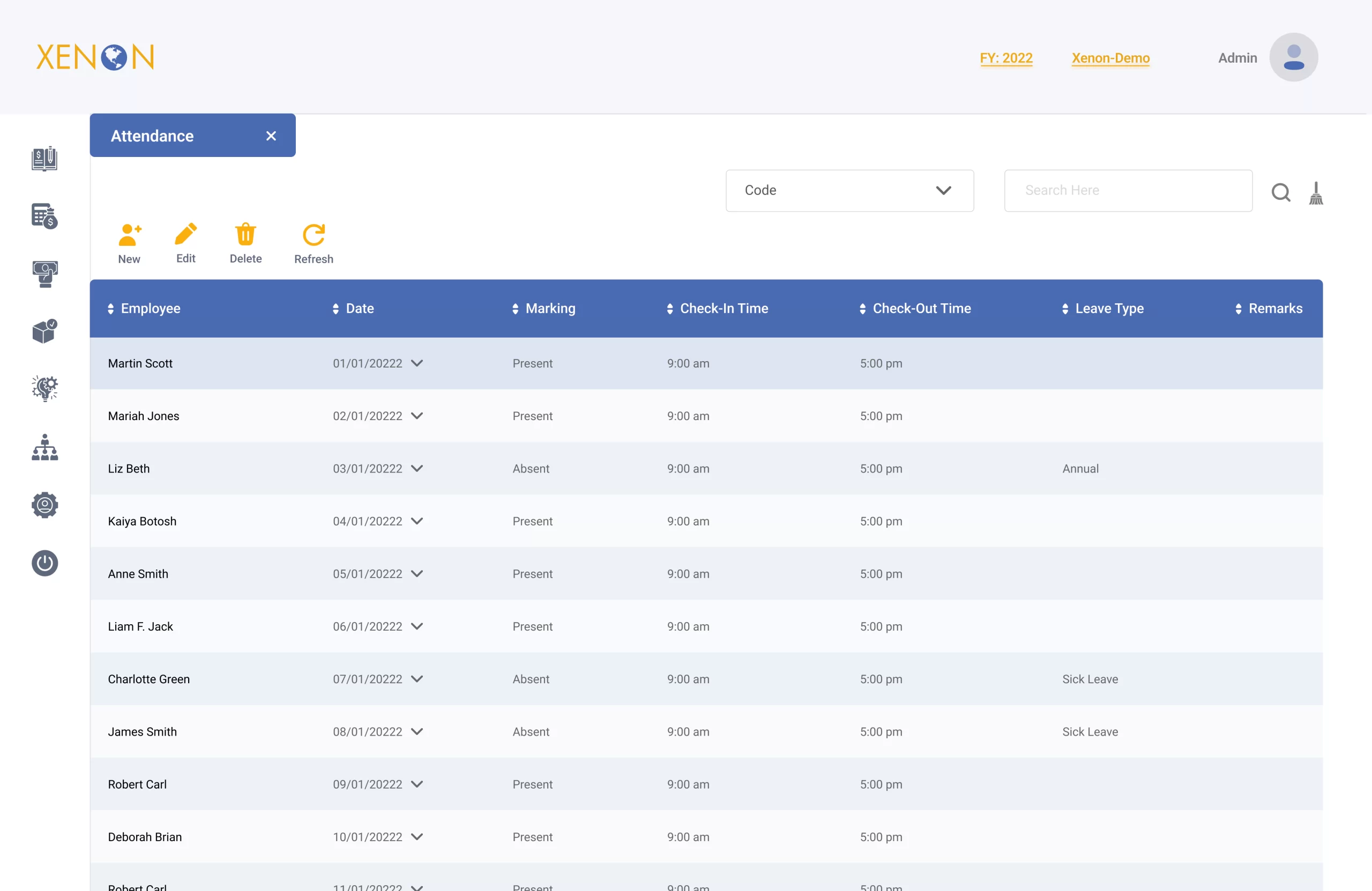
Al Imdad faced challenges managing workforce operations due to unstructured manual processes. Employee and client-related HR information was captured inconsistently, leading to incomplete records, onboarding delays, and limited visibility for HR and management teams. The lack of a centralized workforce system reduced operational efficiency and made reporting difficult.
Al Imdad
Al Imdad faced challenges managing workforce operations due to unstructured manual processes. Employee and client-related HR information was captured inconsistently, leading to incomplete records, onboarding delays, and limited visibility for HR and management teams. The lack of a centralized workforce system reduced operational efficiency and made reporting difficult.
Faster Employee Onboarding
Improved HR Data Visibility
A centralized workforce management system was implemented to digitize employee records and standardize HR processes. Employee and client-related information was captured in a structured format, enabling accurate record-keeping, smoother onboarding, and real-time visibility for HR and management. The system reduced manual dependency and improved overall workforce control.
Standardizing workforce processes while transitioning from manual records, ensuring accurate data capture across teams, reducing onboarding delays, and providing real-time visibility for HR and management without disrupting daily operations.
AKMA Foods
AKMA Foods lacked carton-level visibility in its dispatch process, as items were issued based only on bulk quantities. Without carton-wise tracking, dispatch quantities could not be reliably reconciled with warehouse records or invoices. This resulted in mismatches, frequent manual corrections, operational inefficiencies, and disputes with distributors.
AKMA Foods
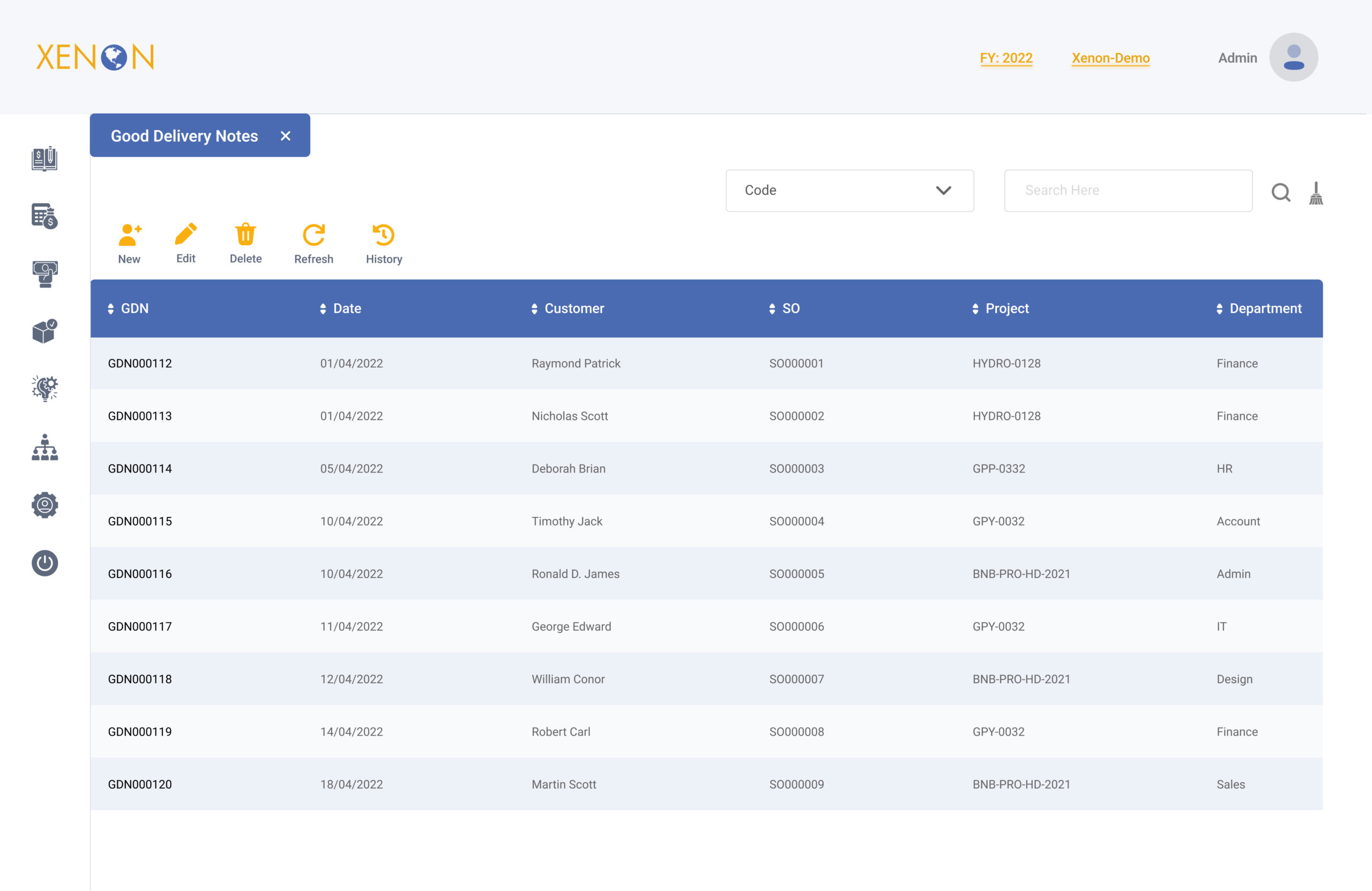
AKMA Foods lacked carton-level visibility in its dispatch process, as items were issued based only on bulk quantities. Without carton-wise tracking, dispatch quantities could not be reliably reconciled with warehouse records or invoices. This resulted in mismatches, frequent manual corrections, operational inefficiencies, and disputes with distributors.
Reduction in Dispatch Mismatches
Improved Dispatch Traceability
A carton-wise dispatch control system was implemented to track goods at the carton level rather than bulk quantities. Each dispatch was recorded with carton-level detail, enabling accurate reconciliation between warehouse movements, dispatch records, and invoices. The system reduced manual corrections, improved operational visibility, and ensured consistency across distribution workflows.
Introducing carton-level tracking while maintaining dispatch speed, eliminating manual reconciliation, ensuring alignment between warehouse and distribution records, and reducing disputes with distributors without disrupting daily operations.
Grant Thornton
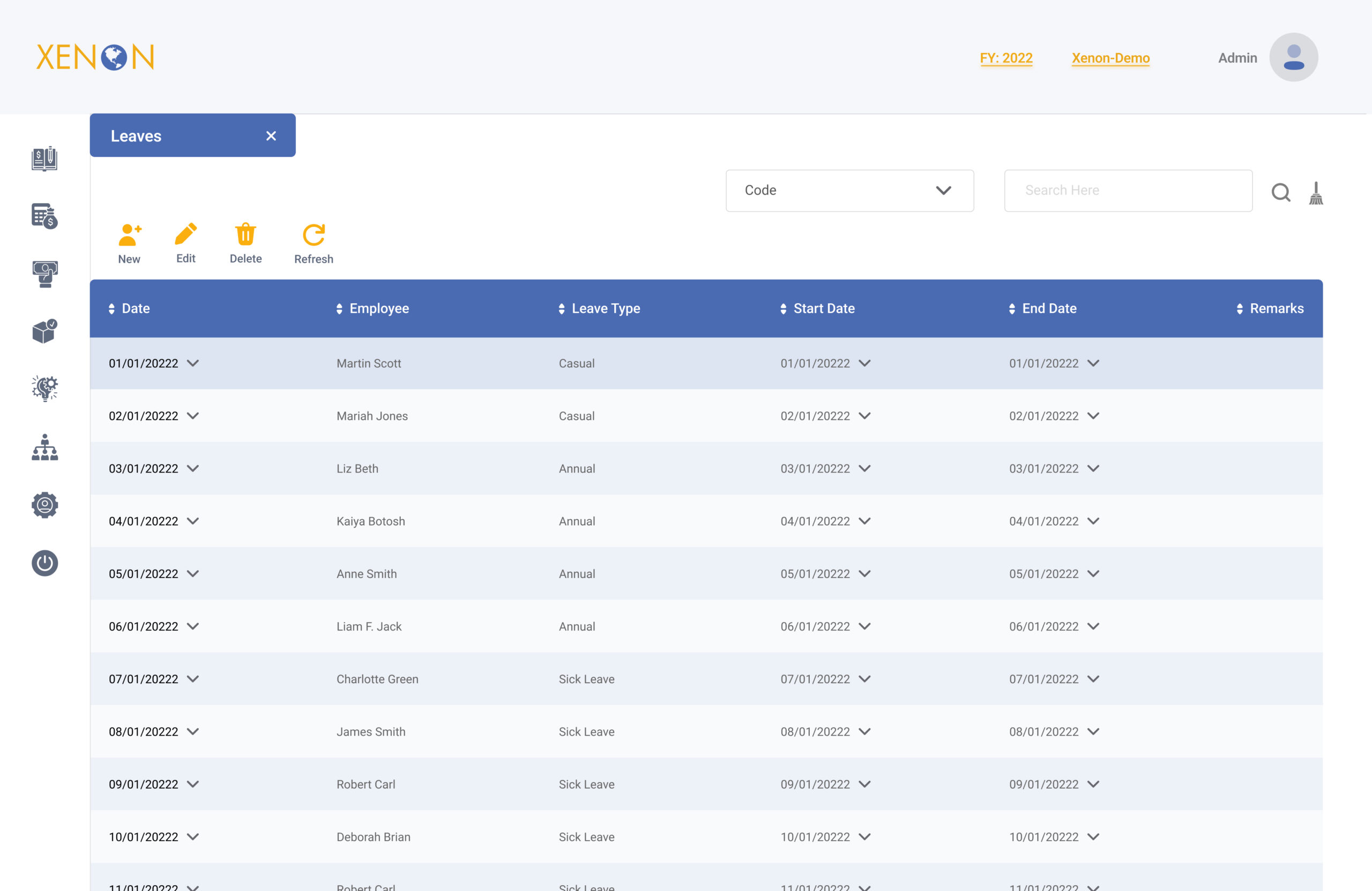
Leave and holiday management was manual, fragmented, and inconsistent across teams. Leave balances were maintained on spreadsheets, holidays were not standardized, and approvals relied on emails and verbal communication.
Grant Thornton
Leave and holiday management was manual, fragmented, and inconsistent across teams. Leave balances were maintained on spreadsheets, holidays were not standardized, and approvals relied on emails and verbal communication.
Faster Leave Approvals
Accurate Leave & Holiday Tracking
A centralized leave and holiday management system was implemented, standardizing holiday calendars, automating leave tracking, and enabling real-time visibility and structured approval workflows.
Centralizing leave and holiday management while providing real-time visibility, accurate balances, and structured approval workflows for HR, managers, and employees.
Platinum Corp
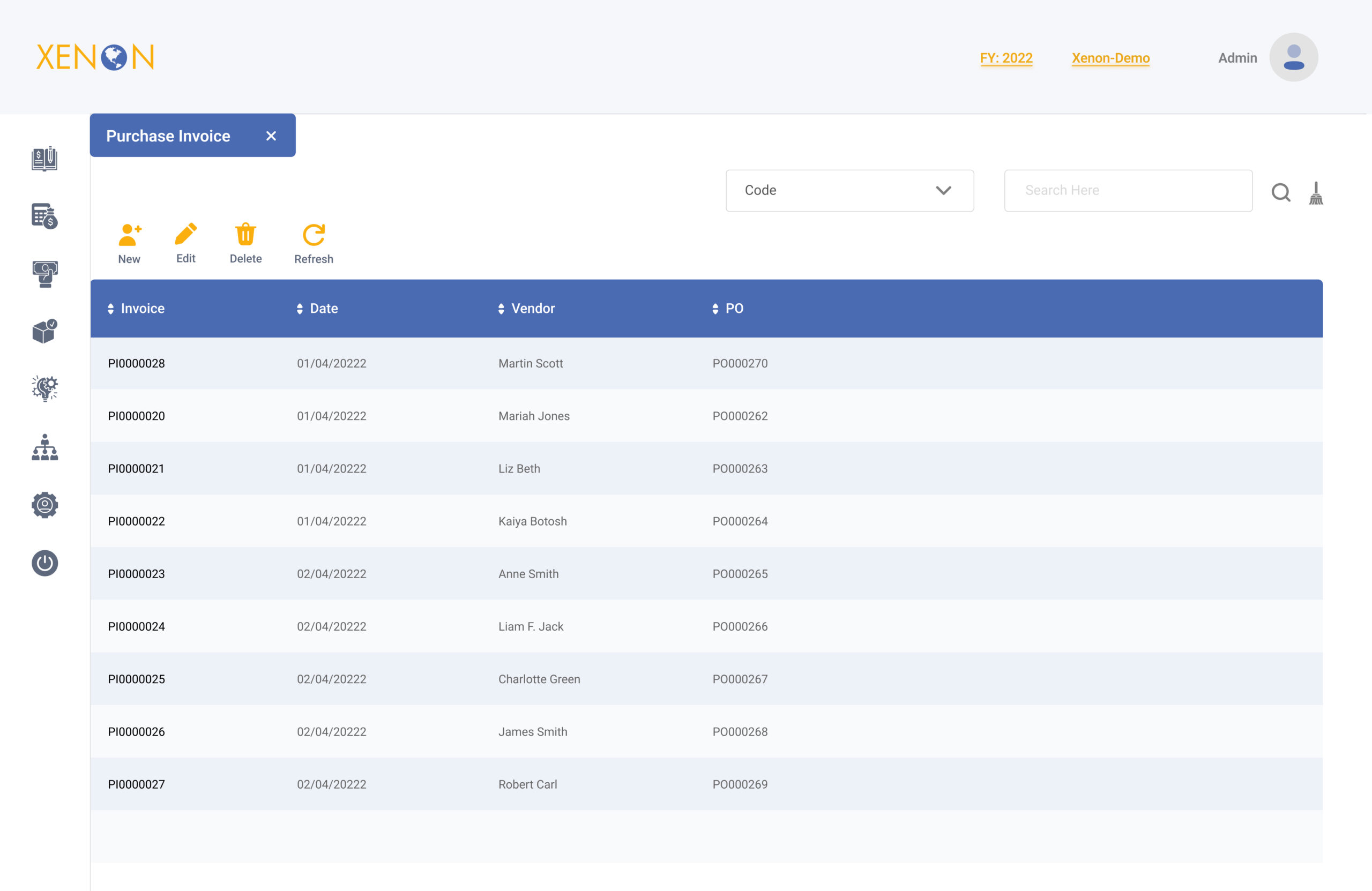
Platinum Corp operated with fragmented inventory records across procurement, warehouses, and sales. Serial-based items were tracked manually and inconsistently, leading to duplicate serial entries, incorrect inventory valuation, limited traceability, and gaps in audit and compliance reporting. The absence of system-level serial control increased operational risk and reduced confidence in transactional data.

Platinum Corp
Platinum Corp operated with fragmented inventory records across procurement, warehouses, and sales. Serial-based items were tracked manually and inconsistently, leading to duplicate serial entries, incorrect inventory valuation, limited traceability, and gaps in audit and compliance reporting. The absence of system-level serial control increased operational risk and reduced confidence in transactional data.
Improvement in Serial Traceability
Accurate Inventory Valuation
A centralized serial-wise inventory management system was implemented across procurement, inventory, and sales operations. Each item was tracked using unique serial numbers from purchase to dispatch, ensuring real-time visibility, automated validation, and system-enforced controls. Inventory movements, transfers, and sales were fully traceable, with accurate valuation and audit-ready records.
Implementing end-to-end serial tracking while maintaining accuracy across multiple warehouses, preventing duplicate serial entries, ensuring correct valuation, and meeting audit and compliance requirements without disrupting daily operations