A stock report that looks accurate and stock that is actually accurate are two different things. Most businesses only discover the gap when it is already expensive.
Ask most warehouse managers if they know how much stock they have, and the answer is almost always yes. Ask them if the number in the system matches what is physically on the shelf, and the answer gets a lot less confident. That hesitation is the real story. A system can report a clean, precise stock figure and still be wrong, sometimes by a little, sometimes by a lot, and the business usually has no idea until a count, an order, or an audit forces the question.
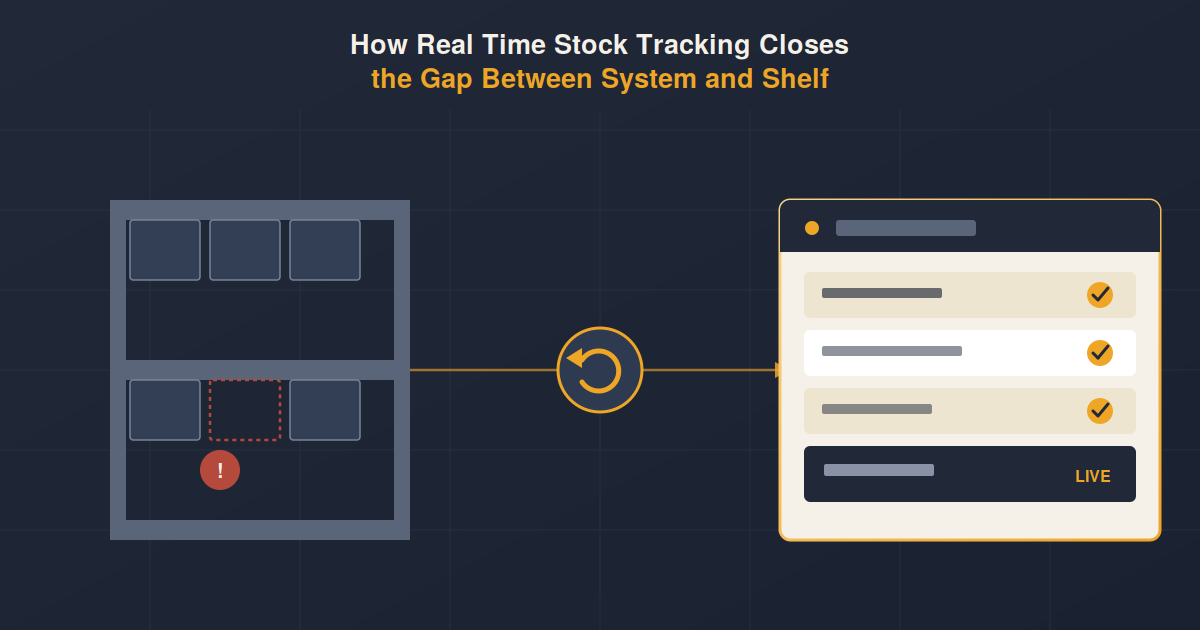
This gap between recorded stock and actual stock is one of the most common and most quietly expensive problems in inventory management. It rarely announces itself. It just shows up as a stockout that should not have happened, a customer order that cannot actually be fulfilled, or a year end count that takes three times longer than it should because nothing reconciles cleanly.
Here is why this gap forms, how to find it in your own operation, and what actually closes it.
Why “The System Says” Is Not the Same as “It’s There”
Every inventory system holds a number for each item, updated whenever a transaction is recorded. The problem is that the number only reflects what was recorded, not necessarily what happened. If a transaction was delayed, skipped, entered incorrectly, or never entered at all, the system number quietly drifts away from physical reality, and it keeps drifting until someone manually counts and corrects it.
This is not a flaw unique to any particular software. It is what happens to any inventory record, on paper or in a system, when the process feeding it has gaps.
Where the Gap Actually Comes From
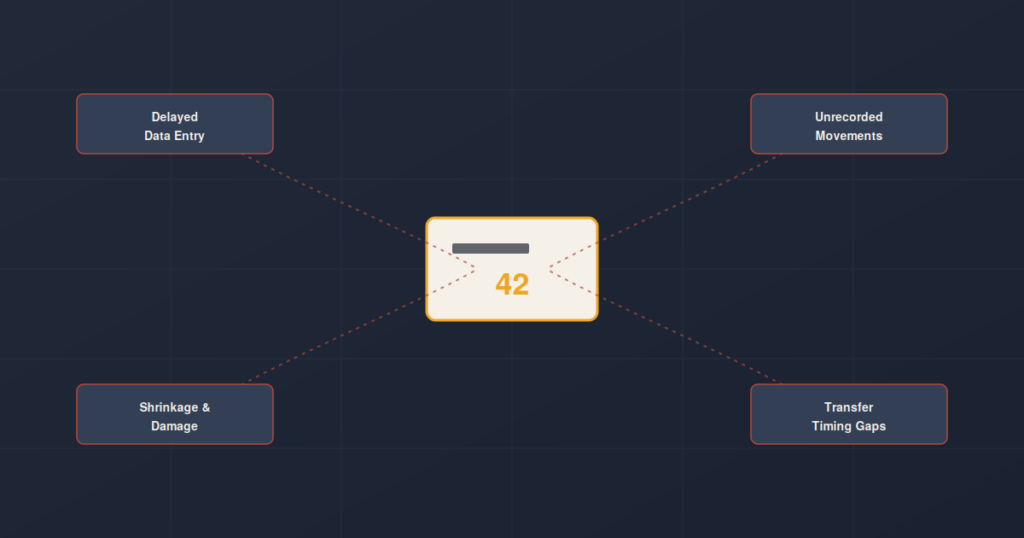
- Delayed data entry. Stock physically moves before anyone records the transaction, so for a period of time, the system is simply out of date.
- Unrecorded internal movements. An item pulled for internal use, a sample, a damaged unit set aside, a transfer between shelves that never gets logged.
- Returns and exchanges. A returned item that goes back on the shelf without a matching system entry.
- Shrinkage. Loss from damage, theft, or spoilage that nobody notices until a count reveals it.
- Manual counting errors. A miscount during a stock take that gets entered as the new baseline, quietly locking in a wrong number.
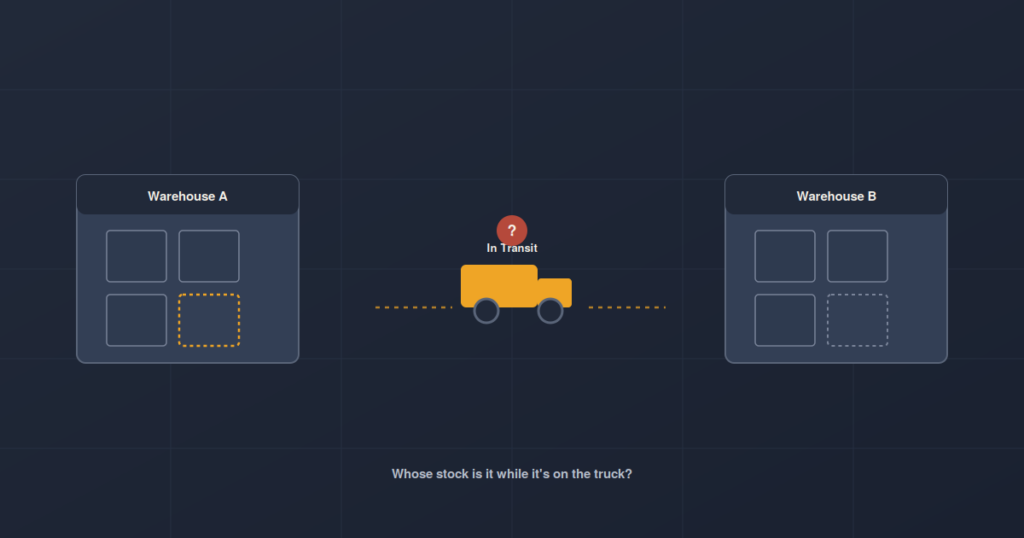
- Multi location transfers. Stock in transit between warehouses that gets recorded as received before it physically arrives, or the reverse.
A quick way to test this. Pick five random items from your inventory report right now and physically count them on the shelf. If even one does not match, that is not bad luck, that is the gap showing itself, and it is almost certainly present across more of your inventory than just those five items.
Why This Gap Is Rarely Noticed in Time
Inventory drift is quiet by nature. A system that says 42 units when there are actually 38 does not throw an error, it just reports 42, confidently and consistently, until someone tries to fulfill an order for 40 and discovers the truth mid transaction. Most businesses only find these gaps at moments that are already costly, a customer facing stockout, a rushed physical count before an audit, or a reconciliation that surfaces a shrinkage number nobody budgeted for.
The businesses that catch this early are the ones that build in regular, smaller checks, rather than waiting for an annual count to reveal a full year of accumulated drift at once.
The Real Cost of Not Knowing
The most visible cost is the stockout, promising a customer something that is not actually available, or turning away a sale because the system understated what was really on the shelf. Less visible, but often larger over time, is the cost of overstocking to compensate, businesses that do not trust their own numbers tend to hold more safety stock than they need, tying up cash in inventory as a hedge against uncertainty they could otherwise have solved directly.
There is also a compounding effect. Wrong stock numbers feed into wrong reorder decisions, wrong reorder decisions feed into wrong purchasing, and wrong purchasing quietly distorts cash flow planning for reasons that trace back to a shelf count nobody verified months earlier.
Physical Count vs System Count: What Reconciliation Actually Involves
Reconciliation is the process of comparing what the system says against what is physically present, and resolving the difference. Done properly, it is not just counting and correcting the number, it is investigating why the difference exists in the first place. A repeated pattern of shrinkage on one item might point to a process gap. A location that is consistently off might point to a training issue or an unrecorded transfer route.
Treating reconciliation as a pure counting exercise fixes the symptom for a month. Treating it as an investigation fixes the actual source of the drift.
Cycle Counting vs the Annual Stock Take
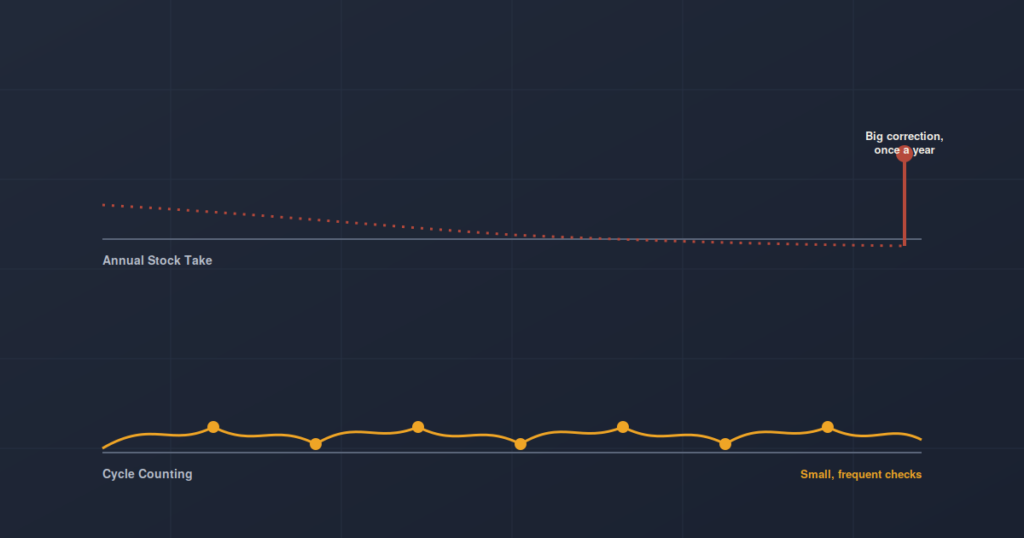
Most businesses default to a single, large annual stock take, shutting down operations for a day or more to count everything at once. This catches the full picture, but only once a year, which means drift can accumulate for eleven months before anyone notices it. Cycle counting, checking a smaller portion of inventory on a rolling basis throughout the year, catches discrepancies far sooner, while they are still small and easy to trace back to a cause.
The two approaches are not mutually exclusive. Many businesses use cycle counting for ongoing accuracy and keep a lighter annual count as a final check.
Xenon ERP’s Inventory module tracks stock movements in real time across multiple warehouses, so the gap between a recorded transaction and an actual physical change is minimized at the point it would otherwise start forming.
Self Check: How Reliable Is Your Stock Data, Really
Quick Self Check
A recent order was delayed or cancelled because system stock didn’t match physical stock. Internal stock movements (samples, damaged units, transfers) aren’t always logged immediately. The last annual stock take turned up discrepancies nobody could fully explain Safety stock levels have crept up over time as a hedge against uncertain numbers. More than one warehouse or location is involved, and transfers between them aren’t tracked in real time
If two or more of these are true, your system’s stock numbers are likely less reliable than they look on a report.
Manual Tracking vs Real Time System Tracking
| Area | Manual / Delayed Tracking | Xenon Inventory |
|---|---|---|
| Stock updates | Recorded after the fact, often in batches | Updated in real time as transactions occur |
| Multi warehouse transfers | Tracked manually, prone to timing gaps | Dedicated stock transfer tracking between warehouses |
| Receiving & dispatch | Paper or spreadsheet based logs | Goods Receipt Notes and Goods Delivery Notes recorded directly |
| Discrepancy detection | Found only during a full stock take | Visible continuously, supports regular cycle counting |
| Audit & compliance | Requires manual reconstruction of records | Batch, expiry, and serial tracking for audit-ready reporting |
Not sure how big the gap is in your own stock numbers?
Xenon’s team can walk through your current inventory process and show you where the drift is likely coming from.
Get a Free Inventory Review
What Xenon’s Inventory Module Actually Covers
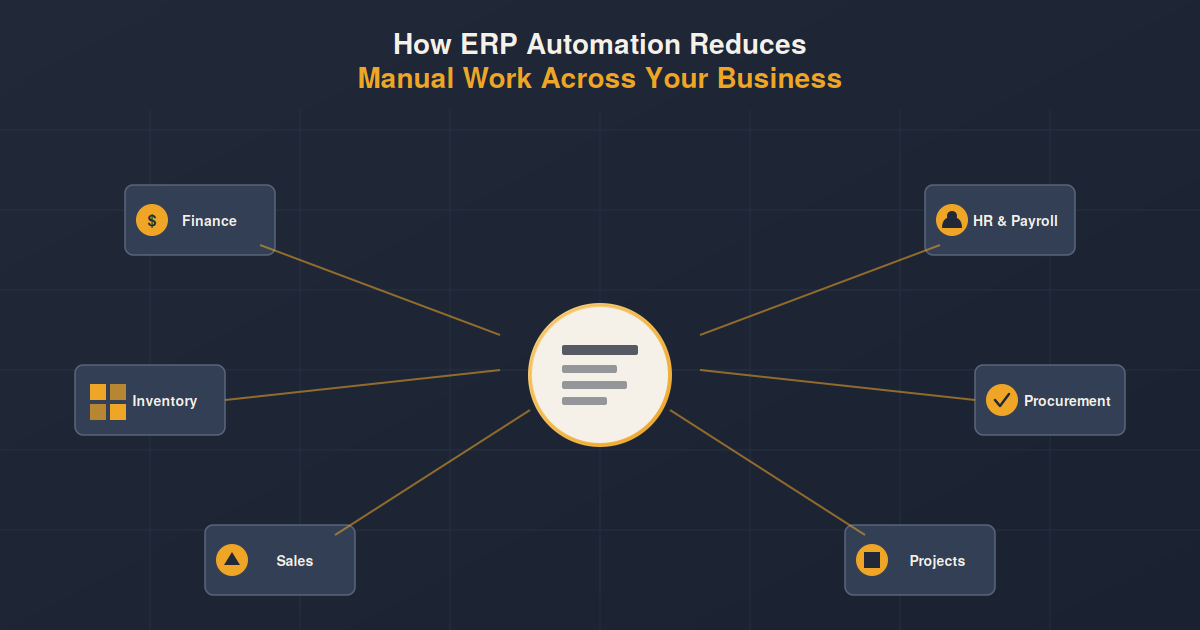
Xenon ERP’s Inventory module is built to close the gap between recorded and actual stock at the source, tracking every purchase, sale, and adjustment as it happens, across multiple warehouses.
Real Time Stock Tracking
Every movement is recorded as it happens, not batched and entered later.
Multi Warehouse Support
Manage stock across locations with dedicated transfer tracking between them.
Goods Receipt & Delivery Notes
Formal, trackable records for everything coming in or going out.
Serial & Batch Tracking
Unit level and batch level visibility for audit and compliance needs.
Expiry Monitoring
Track expiry dates automatically for perishable or regulated stock.
Remote Access
Cloud based visibility, so stock can be checked from anywhere, on any device.
See the full breakdown on the Inventory Management module page.
Frequently Asked Questions
How often should a business reconcile physical stock against system stock?
Regular cycle counting throughout the year catches discrepancies far sooner than relying only on an annual stock take, especially for high value or fast moving items.
What is the difference between cycle counting and an annual stock take?
Cycle counting checks a portion of inventory on a rolling basis throughout the year, while an annual stock take counts everything at once. Many businesses use both, cycle counting for ongoing accuracy and an annual count as a final check.
Can real time tracking fully eliminate stock discrepancies?
It significantly reduces the timing gap where discrepancies form, but physical issues like shrinkage or damage still need to be caught through regular counting and investigation.
Does multi warehouse inventory make this gap worse?
It can, if transfers between locations aren’t tracked in real time, since stock in transit is a common point where recorded and actual quantities temporarily diverge.
How does serial or batch tracking help with this problem specifically?
It gives unit level or batch level visibility, making it much easier to trace exactly where a discrepancy originated, rather than only knowing that a total count is off.
Final Thoughts
A stock report is only as trustworthy as the process feeding it. When that process has gaps, delayed entries, unrecorded movements, manual counting errors, the report will keep looking clean and confident while quietly drifting further from what is actually on the shelf. The business usually finds out at the worst possible moment, mid order, mid audit, or mid stock take, rather than catching it early when it would have been a minor correction.
Closing the gap is not about counting harder. It is about shortening the distance between when stock actually moves and when that movement gets recorded, so the system number and the shelf number stay close to each other by default, not just on the one day a year someone checks.
Related Reading
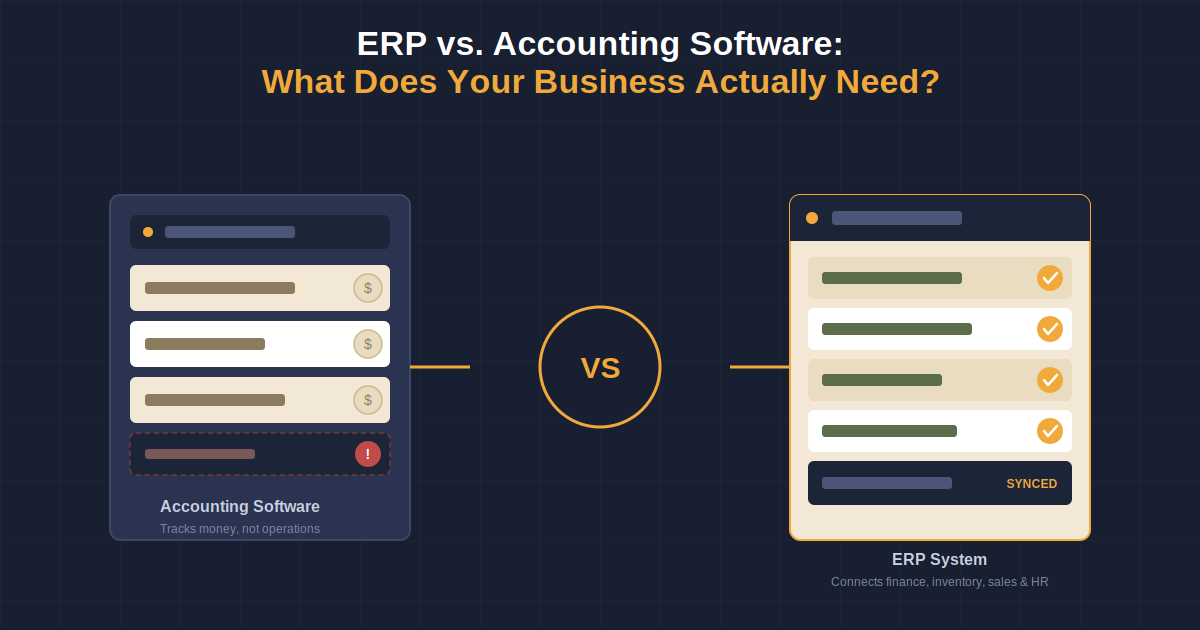
- Finance & Accounting Module Overview
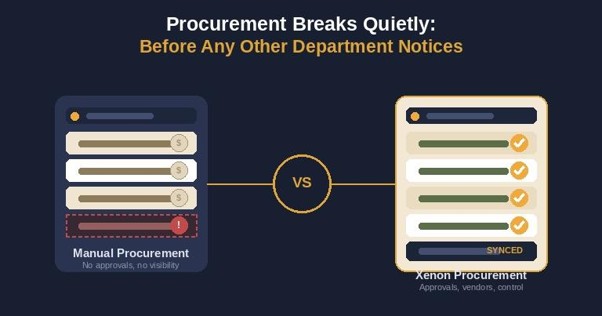
- How to Know If Your Business Needs a Separate Procurement Process
- Credit Notes, Debit Notes, and the Reconciliation Mess They Cause Without a System
Ready to see how close your system stock actually is to reality?
Book a free demo and walk through your own inventory process with Xenon’s team.
Book a Free Demo