
Operating an enterprise across multiple warehouses, retail storefronts, fulfillment centers, or distribution channels requires high operational balance. As supply chains grow more complex, maintaining visibility over physical goods becomes challenging. For multi-location businesses, relying on delayed data synchronization, end-of-day batch processing, or manual log updates is an operational liability.
When inventory data lags behind actual physical movements, a company operates on guesswork. Front-end sales channels might display stock that was sold hours prior in a brick-and-mortar location, while procurement teams order replacements for materials already sitting unnoticed in a secondary regional facility. Real-time inventory control addresses these systemic challenges by providing an immediate, accurate view of stock levels across every point in an enterprise network.
The Complications of Multi-Location Infrastructure
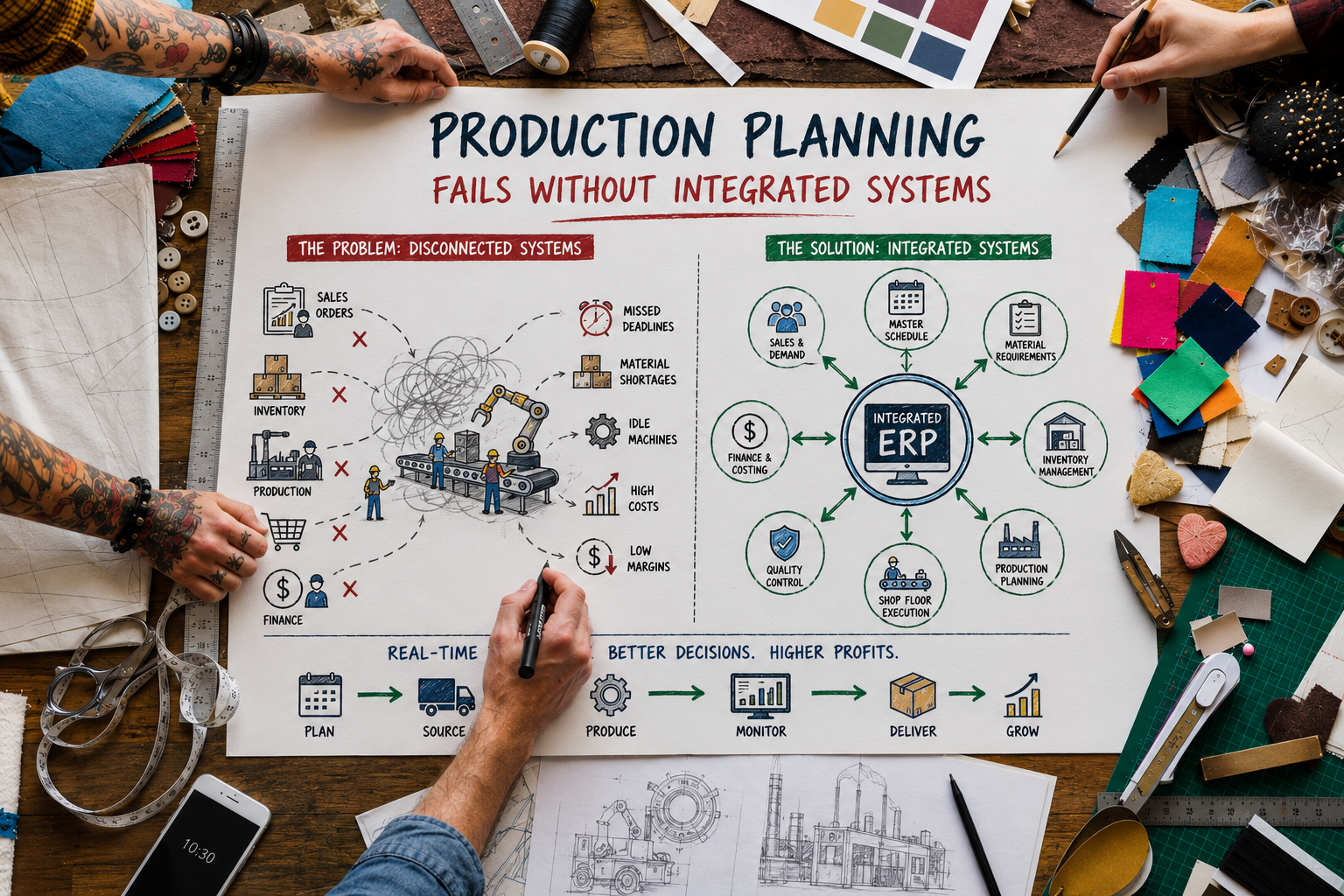
Managing inventory across multiple locations introduces operational variables that do not exist within a single, localized facility. Without real-time synchronization, data fragmentation creates significant administrative and logistical friction.
The Problem of Phantom and Stranded Inventory
Multi-location businesses frequently deal with the simultaneous challenges of stock shortages and inventory gluts. A regional fulfillment hub might experience an unexpected run on a specific SKU, causing an immediate stockout.
Meanwhile, a secondary warehouse three states away holds a surplus of that exact product, sitting completely idle on the shelves. Without real-time, cross-location visibility, the system cannot recognize this surplus, leading the procurement team to issue a redundant purchase order to the manufacturer. This ties up operational capital in excess stock while the first location loses current sales.
Logistics Latency and Fulfillment Inefficiencies
When inventory registers are updated via batch processing, such as nightly reconciliations or weekly spreadsheet uploads, the data degrades instantly. Distribution networks require a high level of agility to succeed.
If a customer places an order online and the system routes that order to a fulfillment center based on outdated stock data, pickers waste valuable hours searching for missing goods. The order must then be manually rerouted to a different facility, adding unnecessary transit days, inflating shipping costs, and hurting the customer experience.
Internal Stock Transfers Without Digital Tracking
Moving stock between internal locations or from a production facility to a staging area is a common source of data loss. If these movements rely on paper logs, verbal requests, or disconnected messaging channels, inventory value is lost to the system during the transition. Items become unaccounted for while in transit, complicating accounting valuations and clouding the accurate count of available-to-promise (ATP) inventory.
The Operational Strain of Disconnected Tracking
When an organization scales its physical footprint without upgrading its tracking tools, it hits a wall of administrative friction. Teams find themselves trapped in a cycle of constant manual verification, double-checking numbers across different tools just to confirm if an item exists.
This operational strain shows up directly in daily workflows:
- The Procurement Fog: Purchasing managers cannot distinguish between true stock depletions and simple localized imbalances. They end up ordering new inventory because they don’t know that usable materials are available in another warehouse.
- The Customer Service Deficit: Sales teams hesitate to close deals because they cannot confidently verify if a product is actually available or if it has already been spoken for by another account manager.
- The Staging Ground Bottleneck: Goods pile up on receiving and shipping docks because the administrative team has to manually verify item counts before updating the main company ledger.
By replacing these reactive steps with an automated system that updates on the fly, businesses can stop firefighting daily shipping issues and focus instead on driving long-term strategic growth.
Core Components of Real-Time Inventory Control
Achieving unified stock visibility across an entire corporate footprint requires moving past manual tracking methods. A reliable real-time inventory control ecosystem relies on three foundational pillars:
1. Centralized Cloud Data Architecture
True real-time tracking requires a single cloud repository that serves as the definitive source of truth for the entire company. Every transactional touchpoint, whether it is a point-of-sale (POS) transaction at a storefront, a bulk wholesale order on an enterprise portal, or an incoming freight shipment at a loading dock, must instantly update this central ledger. This constant communication loop ensures that all departments work with identical numbers simultaneously.
2. Edge Hardware and Automated Data Capture
To eliminate human error during data entry, physical tracking must be automated at the ground level. Utilizing cloud-connected barcode systems, mobile scanning terminals, and radio-frequency identification (RFID) infrastructure captures item movements instantly. Scanning goods during receiving, bin placement, internal transfers, and picking ensures that every physical movement updates the digital system right away.
3. Automated Order Routing Logic
An intelligent multi-location system does more than just display stock levels; it acts on that information. Automated routing logic evaluates incoming orders against real-time availability, geographical proximity, and carrier rates to determine the optimal fulfillment location. If a particular facility runs low on an item, the system automatically fulfills the order from the nearest location with adequate stock, protecting margins and speeding up delivery timelines.
Aligning Physical Operations with Corporate Intelligence
The advantages of real-time inventory control extend far beyond simpler warehouse logistics. When stock metrics are updated instantly across all channels, it unlocks deep strategic benefits across the entire enterprise framework.
Connecting Supply Chain Assets to Financial Registers
Every physical asset sitting in a warehouse represents working capital. In historical management setups, tracking inventory depreciation, cost allocation, and balance sheet valuation requires complex end-of-month accounting adjustments.
Connecting your warehouse operations directly with your core financial ledgers allows every receipt, transfer, or sale to update asset valuation and cost of goods sold (COGS) in real time. This continuous tracking provides your leadership team with an accurate view of operational profitability. To review strategies for setting up these integrated financial frameworks, read this deep dive into Modern Finance & Accounting Architecture.
Securing Manufacturing and Project Timelines
For businesses that manage complex production lines or large project installations, inventory visibility is vital for keeping operations on schedule. A shortage of a single component can stall assembly lines or delay project milestones, driving up labor overhead and creating contract penalties.
Linking material requirements planning directly with multi-location stock levels ensures that project managers can confidently allocate specific batches of parts to active jobs, knowing the items are physically present. For a comprehensive look at managing resource and material allocation for project-driven businesses, explore our guide on Maximizing Margins via Project Accounting.
Integrating these systems with global vendor portals, shipping APIs, and third-party logistics (3PL) platforms provides end-to-end supply chain visibility, from raw material sourcing to final customer delivery.
Future-Proofing Multi-Warehouse Supply Chains
As supply chains face increasing disruptions, agility becomes a major competitive differentiator. Businesses can no longer afford to wait days or even hours to understand their true supply position. Real-time control gives management teams the visibility they need to pivot operations quickly when challenges arise.
If an unexpected transit delay shuts down a major shipping lane, a real-time system allows logistics coordinators to instantly see alternative stock pools across their network. They can reroute open shipments, adjust localized safety buffers, and shift customer allocations without skipping a beat. This high-level visibility turns a major bottleneck into a routine management adjustment, protecting revenue and keeping customer relationships strong.
Establish Absolute Stock Certainty with XENON
Managing multiple software subscriptions, dealing with delayed integrations, and wasting hours resolving stock discrepancies across different locations holds back your company’s growth. To scale efficiently, your enterprise needs a central platform where every module communicates naturally.
XENON All-in-One ERP delivers the comprehensive visibility, automated inventory control, and real-time processing power required to run multi-location operations with absolute confidence. By blending multi-warehouse tracking, automated order routing, client invoicing, and core financial accounting into one unified ecosystem, XENON entirely removes manual guesswork from your daily operations.
Ready to secure 100% stock visibility across every location and eliminate operational blind spots? Visit ATXENON to explore our advanced Inventory & Warehouse Management module and schedule your live platform demo today.