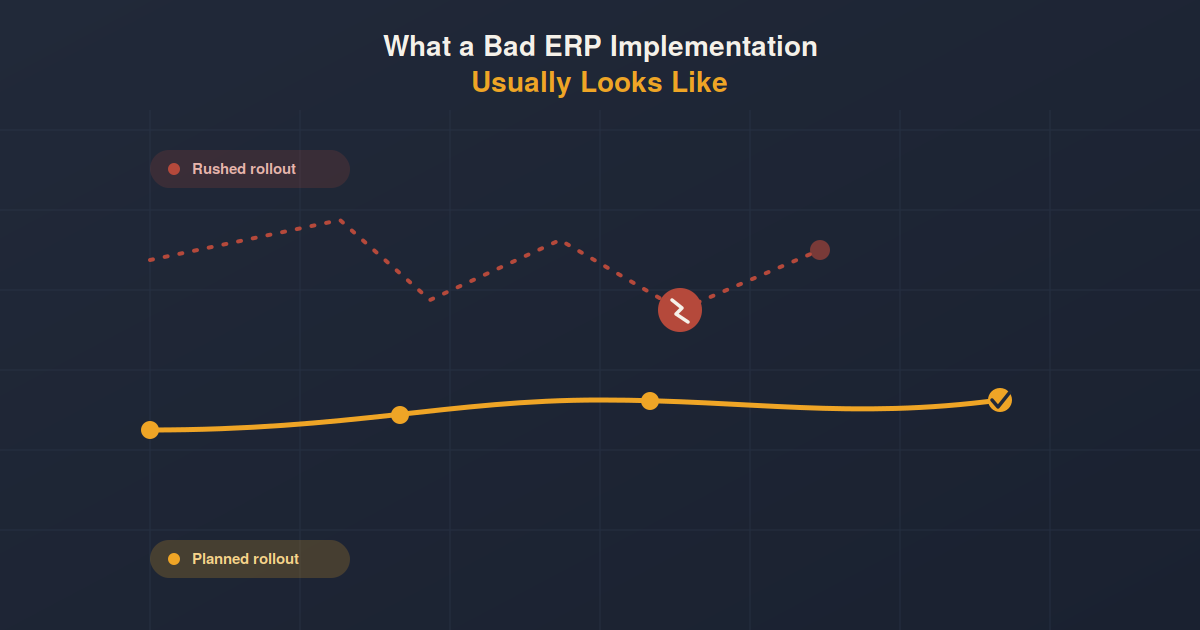
Most ERP projects don’t fail because the software was wrong. They fail because of a handful of predictable, avoidable mistakes made before the software was even switched on.
Ask around and you will find someone who has a bad ERP story. A system that took twice as long as promised. A rollout where half the team went back to their old spreadsheets within a month. A go-live date that came and went with nobody quite ready for it.
These stories are common enough that ERP implementation failure has been studied extensively, and the research is fairly consistent, a majority of ERP projects fall short of what they set out to do. That is not because ERP software does not work. It is because implementation is a process, not a product, and most of what determines success happens before anyone logs into the new system for the first time.
This is a practical look at what actually goes wrong, based on well documented patterns, and what a business can do differently to avoid becoming another example.
55-75% of ERP projects fall short of their original objectives
23% of ERP projects exceed their planned budget
42% of failures are tied to poor change management
Figures reflect commonly cited ranges from ERP research firms including Panorama Consulting and Gartner, compiled across multiple industry studies.
Why “The Software Was Wrong” Is Rarely the Real Reason
When an ERP rollout goes badly, it is tempting to blame the platform. In practice, most failures trace back to decisions made around the software, not the software itself. Unclear objectives, rushed timelines, messy data, and resistance from the people who actually have to use the system day to day are the patterns that show up again and again across industries and company sizes.
Understanding these patterns matters more than comparing feature lists, because a good system implemented badly will still fail, and a decent system implemented carefully will usually succeed.
Mistake 1: Starting Without Clear, Specific Objectives
“We want to modernize our operations” is a vision, not an objective. Businesses that go into an ERP project without specific, measurable goals, faster month end closing, fewer stockouts, centralized payroll across branches, struggle to configure the system correctly and struggle even more to know if it actually worked.
Specific objectives also make it much easier to say no to unnecessary customization later, because every request can be measured against whether it actually serves the original goal.
Mistake 2: Underestimating Data Migration
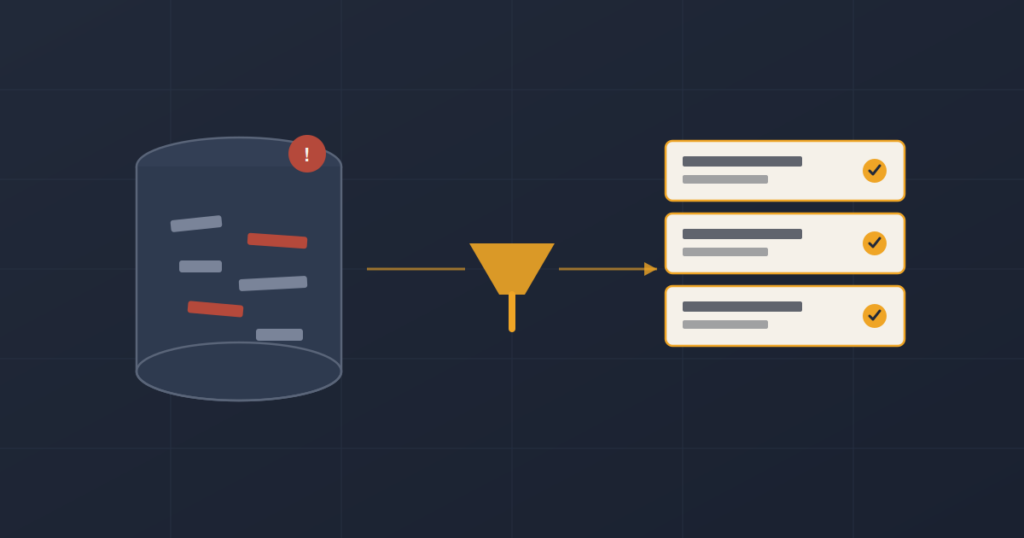
Data migration is consistently one of the most underestimated parts of an ERP project. A business’s existing records, customer databases, inventory counts, vendor histories, often look fine until someone actually tries to move them into a new system, at which point duplicate records, inconsistent formats, and missing fields surface all at once.
Treating data migration as a late stage technical task rather than an early stage business task is one of the most common and costly mistakes in ERP implementation.
A quick way to test this. Pull a sample of 50 customer or vendor records from your current system. Check for duplicates, missing fields, and inconsistent formatting. If the sample is messy, your full dataset almost certainly is too, and that is worth knowing before migration begins, not during it.
Mistake 3: Rushing the Timeline
Compressed timelines feel efficient on paper and usually cause the opposite in practice. When a project that realistically needs several months gets squeezed into a fraction of that time, something gives, usually testing, training, or data quality checks get cut short. The result is a system that goes live technically on time, but not actually ready.
A realistic timeline, with room for testing and adjustment before go-live, almost always outperforms an aggressive one that skips those steps to hit a date.
Mistake 4: No Internal Champion
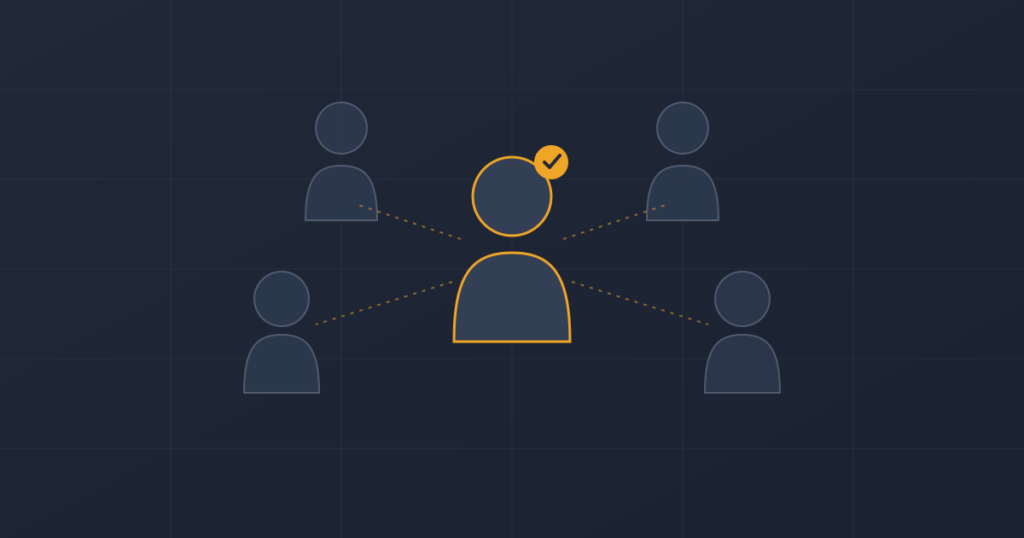
ERP projects that are treated purely as an IT initiative, with no one from operations, finance, or HR genuinely invested in its success, tend to struggle after go-live even if the technical setup was solid. An internal champion, someone who understands both the business and the new system, and who other employees trust, makes an enormous difference in whether the team actually adopts the new way of working.
Without that person, questions go unanswered, workarounds creep back in, and the old manual habits slowly return.
Mistake 5: Ignoring Change Management
People resist change far more often than technology resists implementation. A significant share of ERP failures trace back to employee resistance, not because the system did not work, but because the people using it were not brought along in the transition. Fear of a more complex process, or simply not understanding the benefit of the change, leads to low adoption even when the system itself is technically sound.
Change management is not a soft, optional add-on to an ERP project, it is one of the central factors that determines whether the project succeeds.
Mistake 6: Skipping or Rushing Training
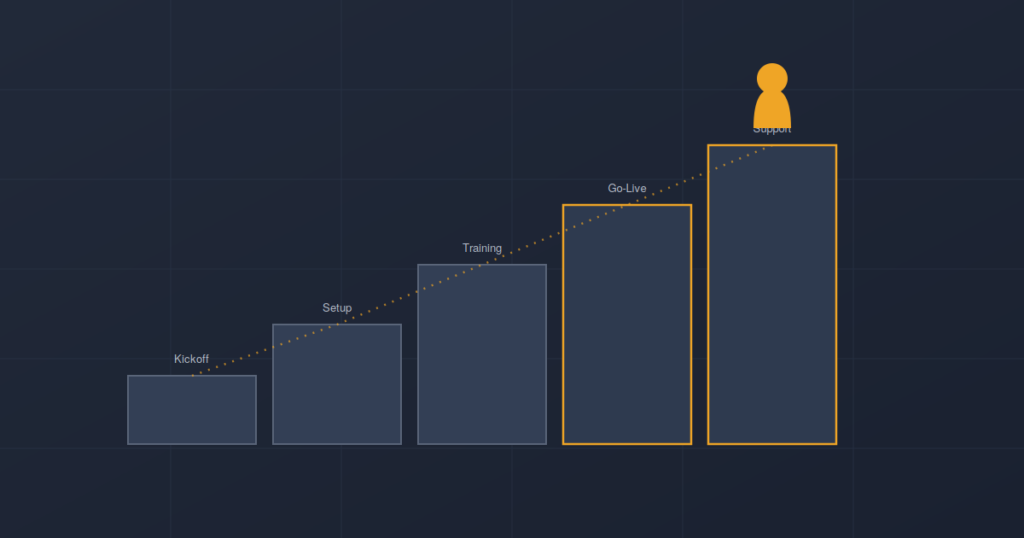
A system is only as good as the people using it correctly. When training is treated as a single afternoon session right before go-live, employees are left to figure out the rest on their own, usually by falling back on old habits whenever something is unclear. This shows up weeks later as low adoption, workarounds, and frustration that gets blamed on the software rather than the rollout.
Training that continues past go-live, with support available for real questions as they come up, consistently produces better adoption than a single upfront session.
Mistake 7: Picking a Vendor Without Checking Fit
Vendor selection mistakes are a meaningful share of ERP failures on their own, and they compound every other mistake on this list. A vendor without real experience in your industry or business size may not understand your actual workflows, leading to a system that is technically installed but poorly matched to how the business runs.
Checking for relevant implementation experience, not just a feature list, is one of the simplest ways to reduce risk before a project even starts.
Mistake 8: No Realistic Budget for the Unexpected
ERP budgets commonly run over, and the reasons are fairly predictable, unplanned technology needs, underestimated staffing requirements, and organizational issues that should have surfaced earlier but did not. A budget with no buffer for these realities sets a project up to feel like a failure even when the core implementation is going reasonably well.
Xenon ERP has worked with businesses across manufacturing, distribution, and services in Pakistan, and the implementations that go smoothly almost always share the same pattern, clear objectives, an internal champion, and enough time built in for data preparation and training.
Good Implementation vs Bad Implementation
| Area | Bad Implementation | Good Implementation |
|---|---|---|
| Objectives | Vague, general goals | Specific, measurable outcomes defined upfront |
| Data migration | Treated as a late, technical task | Reviewed and cleaned early, as a business task |
| Timeline | Rushed to hit an arbitrary date | Realistic, with room for testing before go-live |
| Internal ownership | Left entirely to IT | A cross functional champion drives adoption |
| Training | One session before go-live | Ongoing support through and after go-live |
| Vendor fit | Chosen on features and price alone | Chosen with relevant implementation experience |
Not sure what a realistic implementation timeline looks like for your business?
Xenon’s team can walk through your goals and give you a straightforward, honest read on scope and timeline.
Get an Implementation Assessment
Self Check: Is Your Business Set Up to Avoid These Mistakes
Before You Start an ERP Project
We have specific, measurable objectives written down, not just a general goal. Someone has actually reviewed a sample of our data for quality issues. Our timeline includes real room for testing before go-live. There is a specific person, outside of IT, championing this project internally. We have a plan for training that goes beyond a single session. Our budget includes a buffer for things we have not thought of yet
If more than one of these is unchecked, it is worth addressing before the project timeline is locked in, not after.
How Xenon Approaches Implementation
Xenon ERP’s implementation process is built around the patterns that actually predict success, starting with a proper requirement review rather than jumping straight into configuration.
Requirement Review Mapping actual workflows and objectives before any system setup begins.
Data Migration Planning Historical data is reviewed and mapped early, not left until the end.
Phased Configuration The system is configured around how the business actually operates, module by module.
Structured Training Training continues through go-live, not just before it.
Post Go-Live Support Support continues after launch to catch and fix issues early.
Multi Module Flexibility Businesses can implement one module first and expand as they grow.
See the full breakdown on what Xenon ERP covers.
What to Ask a Vendor Before You Commit
A short conversation before signing anything can surface most of the risk factors covered in this article. Worth asking directly:
- What does a realistic timeline look like for a business our size, and what could extend it
- How is data migration handled, and who is responsible for cleaning the data beforehand
- What does training actually include, and does support continue after go-live
- Can we start with one module and expand later, or does it require a full rollout upfront
- Can you share how implementations for businesses like ours have typically gone
Frequently Asked Questions
Is it normal for ERP implementations to take longer than planned?
Some delay is common, but a well scoped project with a realistic timeline and clean data should not need dramatic extensions. Large overruns are usually a sign one of the core planning steps was skipped.
Do we need to migrate all our historical data at once?
Not necessarily. Many businesses phase data migration, prioritizing what is needed for day to day operations first and bringing in deeper historical records afterward.
How much should we budget beyond the base implementation cost?
It is reasonable to plan for some buffer, since unplanned technology needs and underestimated staffing time are common even in well managed projects.
What does an internal champion actually need to do?
They act as the bridge between the vendor and the team, answering day to day questions, encouraging adoption, and flagging issues early before they turn into workarounds.
Can we implement Xenon module by module instead of all at once?
Yes. Businesses can start with the module that solves their most pressing problem and expand to others as needs grow, rather than implementing everything at once.
How long does training usually take?
It depends on team size and system complexity, but effective training extends beyond a single pre-launch session, with support continuing through and after go-live.
What is the single biggest predictor of a successful implementation?
Change management and clear objectives consistently show up as the strongest predictors, more than the specific software chosen.
Final Thoughts
Bad ERP implementations rarely fail for one dramatic reason. They fail because a few ordinary, avoidable mistakes stack on top of each other, a vague objective here, a rushed timeline there, data nobody checked, training that got cut short. None of these individually sound catastrophic, which is exactly why they get overlooked until the project is already in trouble.
The businesses that get this right are not the ones with the biggest budgets. They are the ones that treat implementation as a real project with real planning, not a switch that gets flipped on launch day.
Related Reading
- ERP Software Cost in Pakistan: Complete 2026 Breakdown for SMEs
- 9 Questions to Ask Before Buying ERP Software in Pakistan
- Finance & Accounting Module Overview
Want an honest read on what implementation would actually look like for your business?
Book a free consultation and walk through your goals, data, and timeline with Xenon’s team.
Book a Free Consultation